The Mythology of Fruit
Who would have thought that these simple wonders from the earth could carry so many stories across so many cultures! Across the world fruit has often represented abundance, fertility, and plentitude as well as earthly pleasure, overindulgence and temptation.
Specific kinds of fruit have acquired their own meanings in world mythology - here are some of the myths and legends that have touched me with their significance.
These works are available from Art by the River in Whanganui and retail between $360 - $1100.
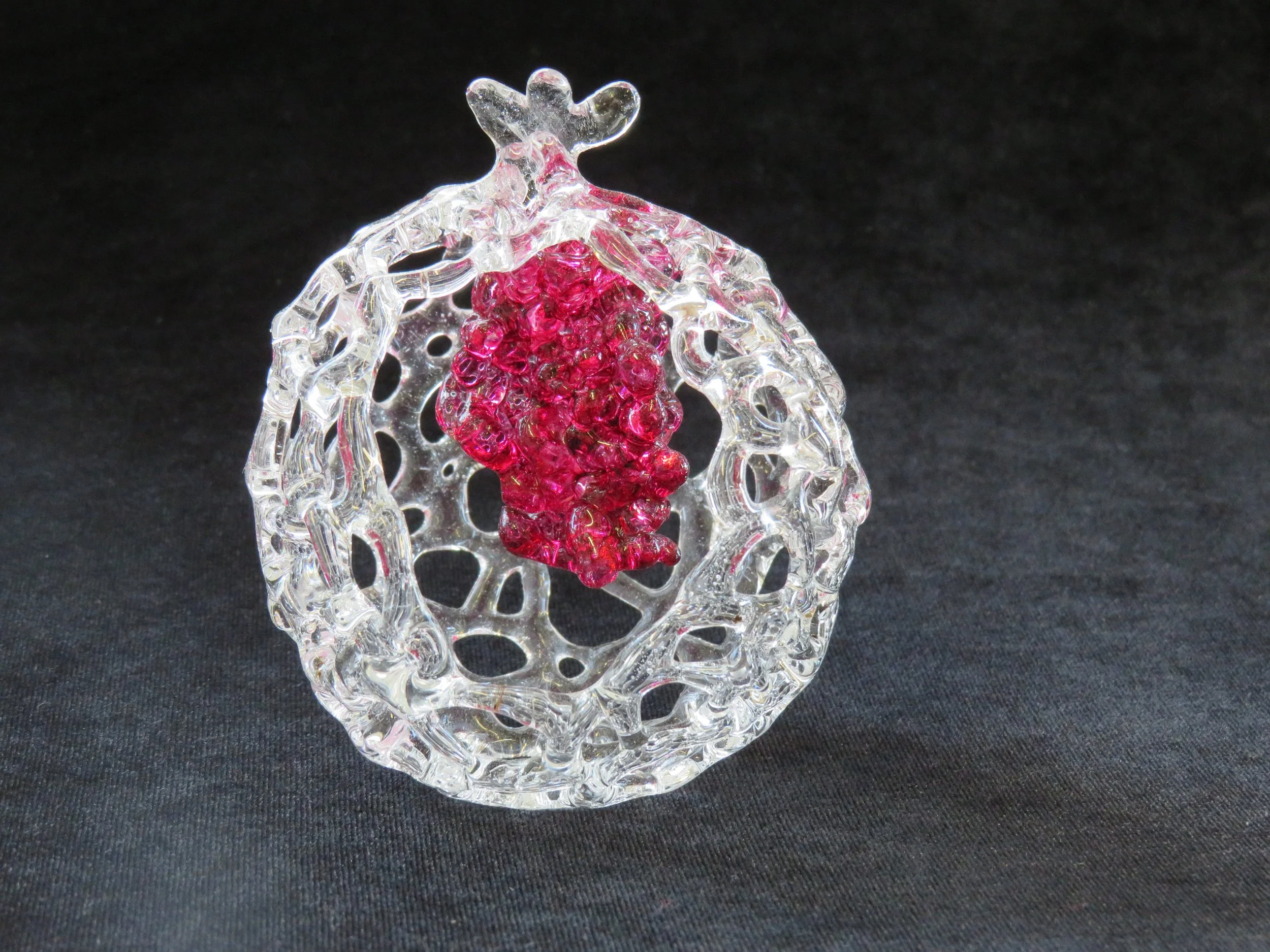
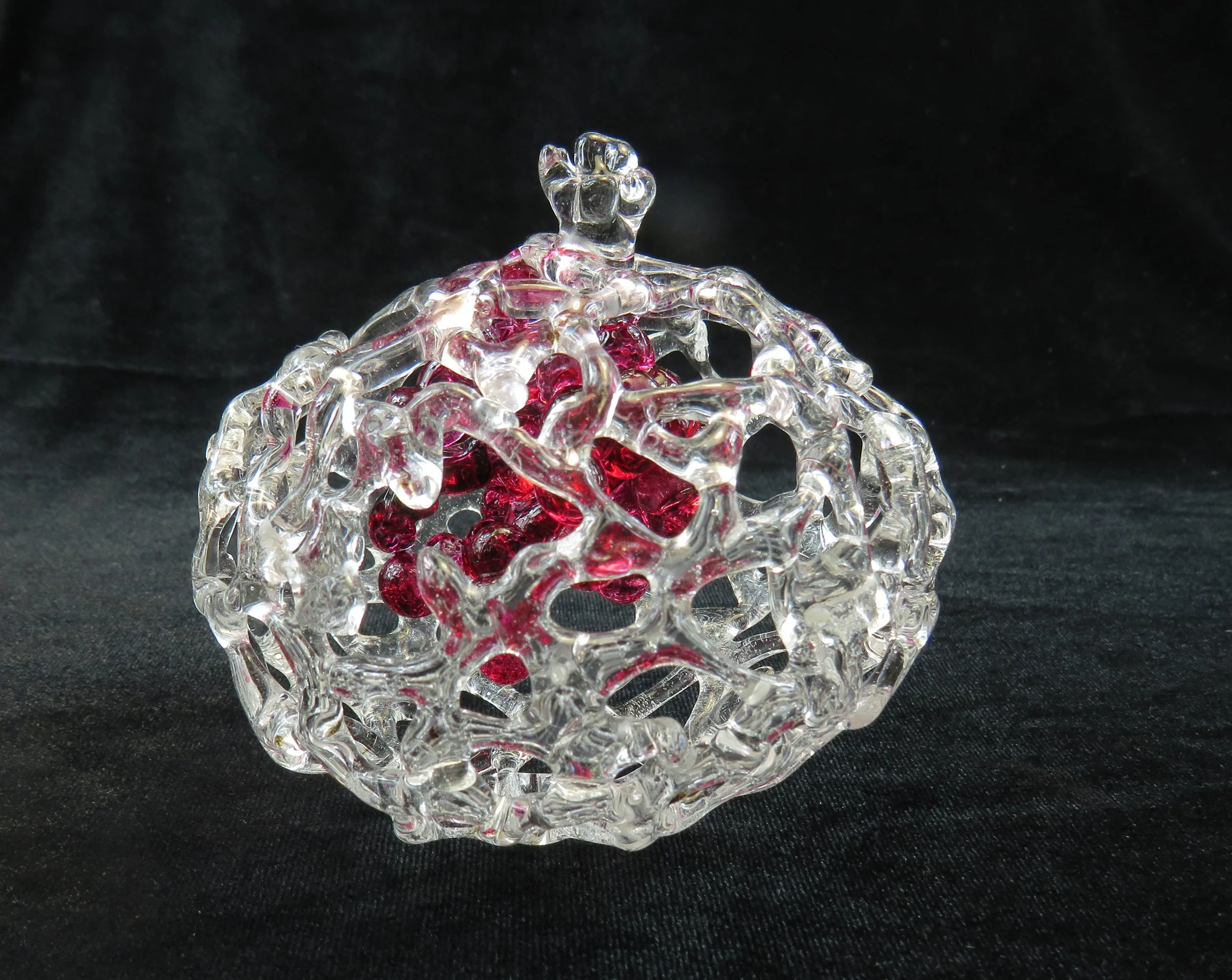
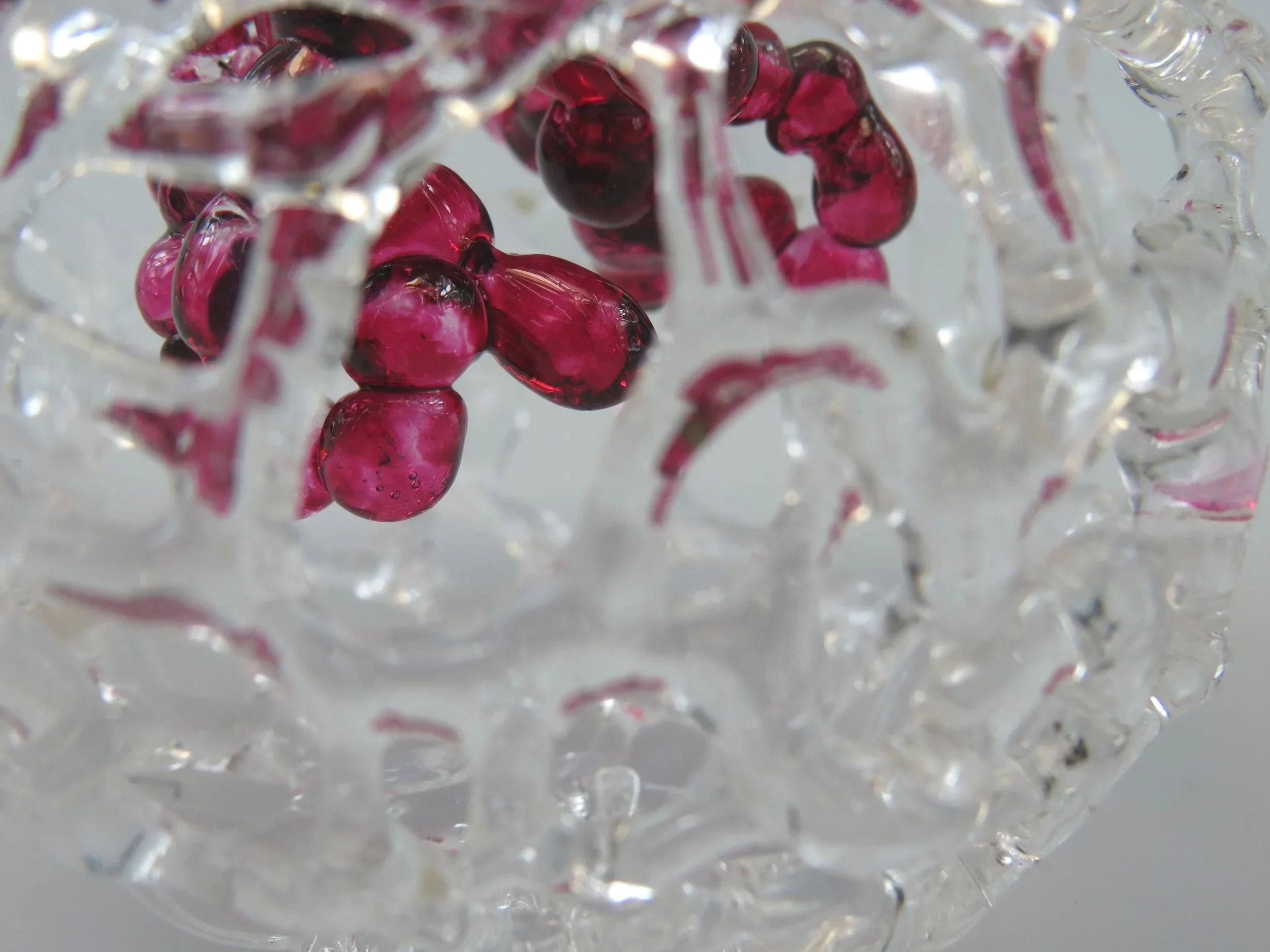
Persephone and the Pomegranate - a Greek myth.
Persephone was the daughter of Demeter, goddess of the harvest, and Zeus, the king of the gods. One day, while she was picking flowers, she was abducted by Hades to the underworld.
When her father, Demeter, finally got her back he asked her if she had eaten anything while she was there. Persephone admitted that she had eaten a pomegranate seed at the urging of Hades just before she left.
This was a trick by Hades - anyone who ate his food was required to remain in the underworld. Because of this, Persephone was required to spend half of each year in the underworld as the wife of Hades, and half of the year with her mother Zeus.
While Persephone is with Zeus in Olympus the ground is fertile and the crops grow - Spring and Summer. When she returns to the Hades and the underworld, the ground becomes colder and less fertile - Autumn and Winter.
So according to the myth, it was a one pomegranate seed that sealed Persephone’s fate as Queen of the Underworld and the ushering in of Autumn and Winter, when the seeds lie underground awaiting again the fertile warm months of Spring and Summer.

The Sacred Druid Plant
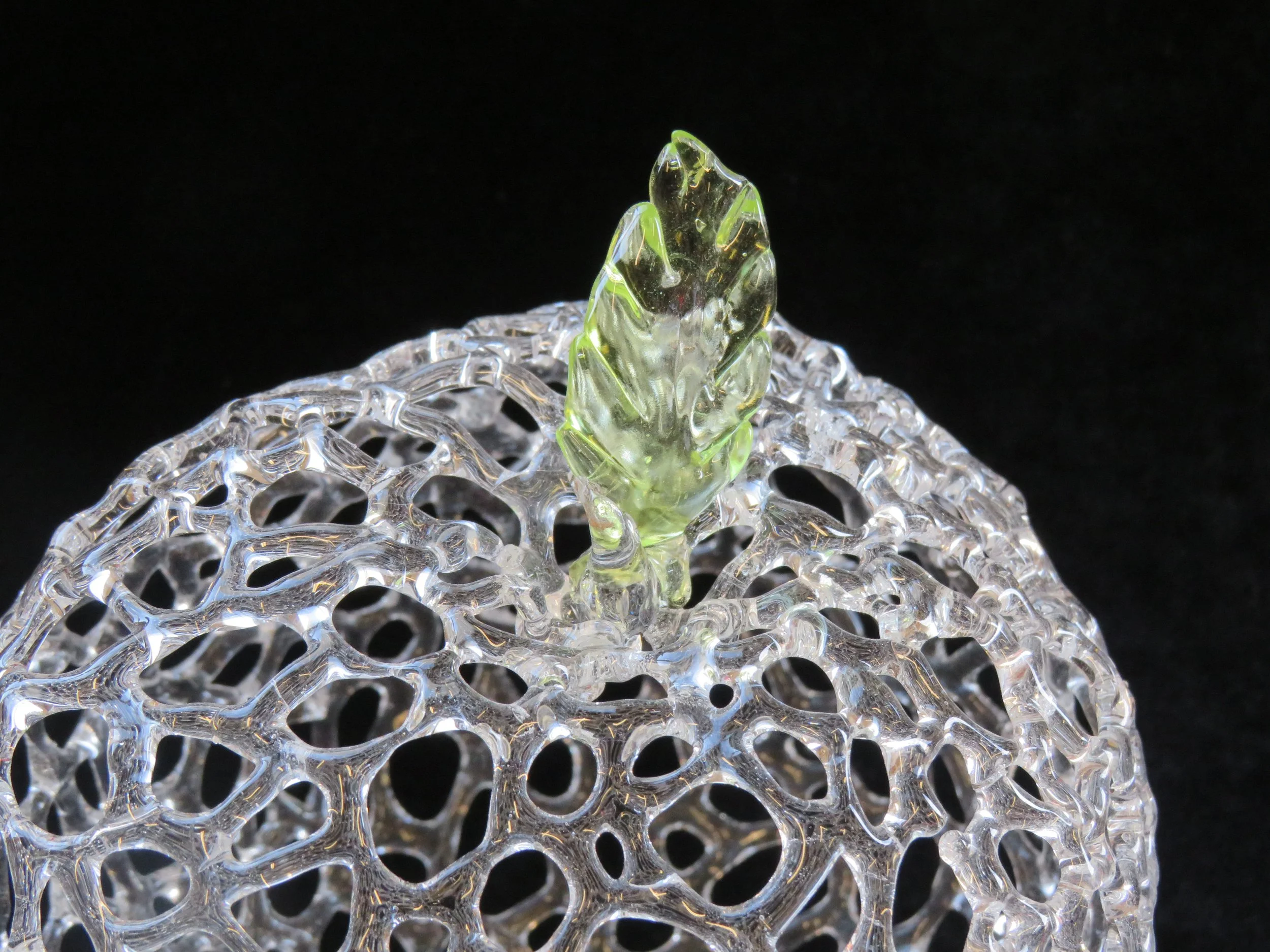
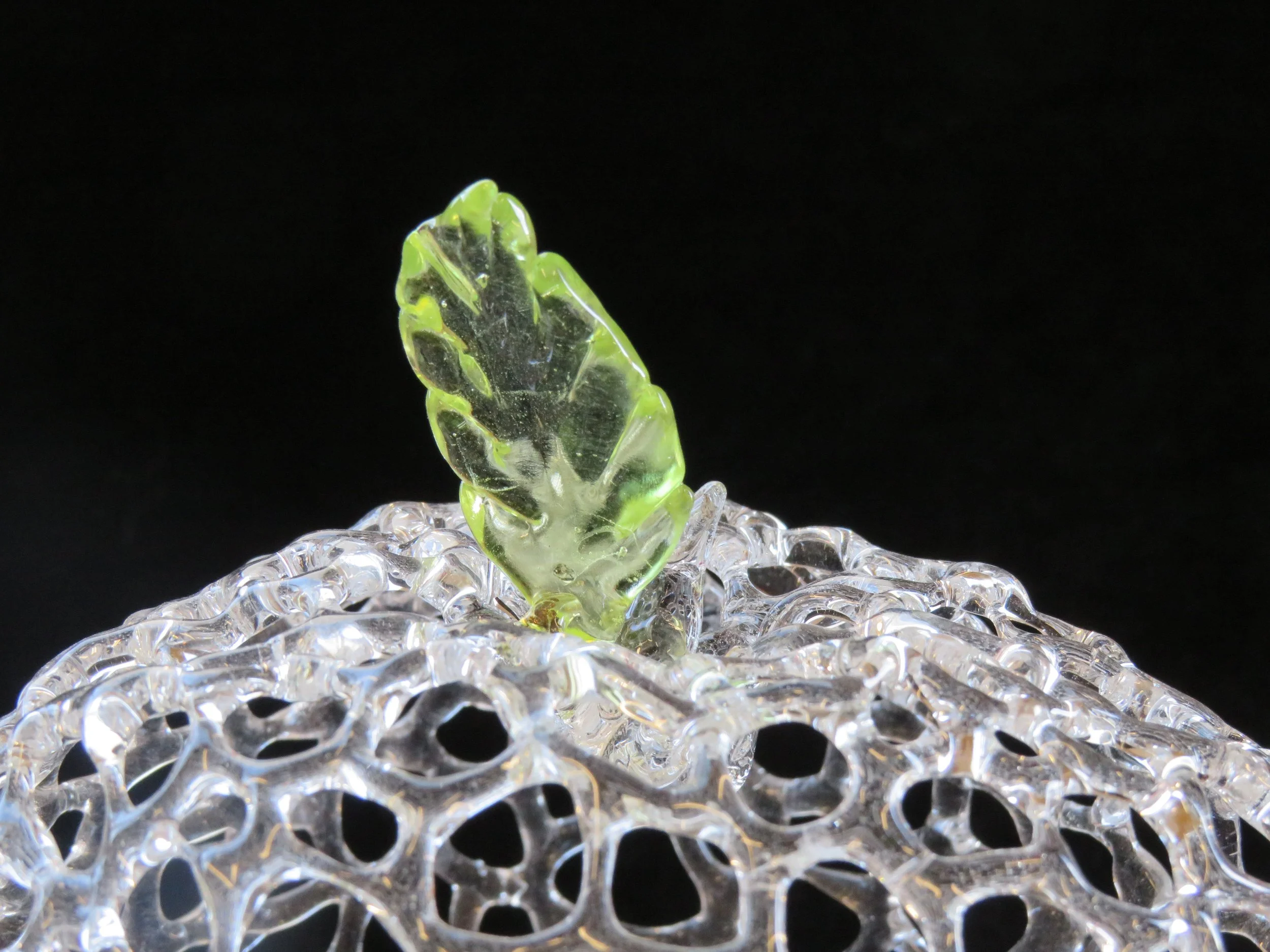
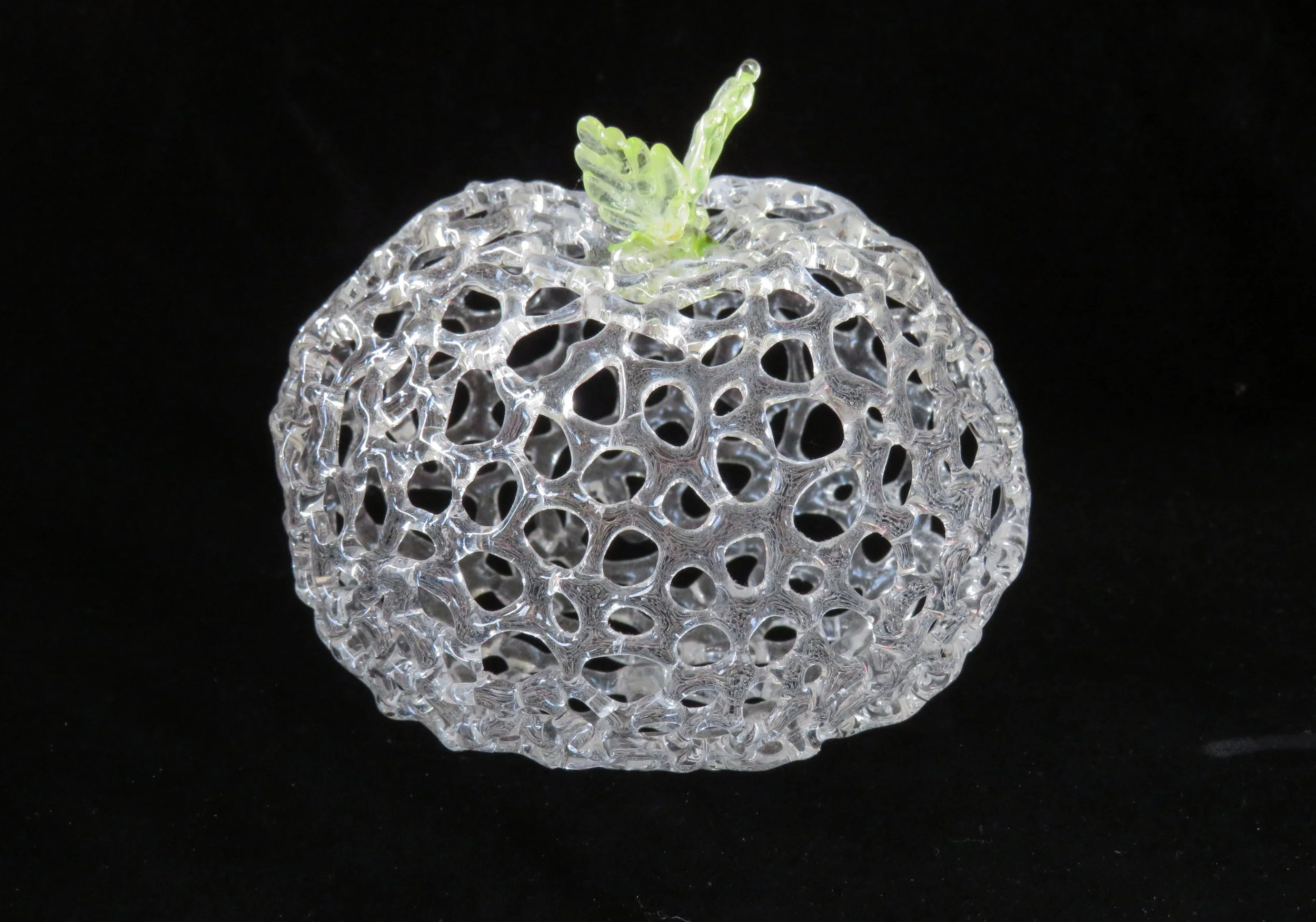
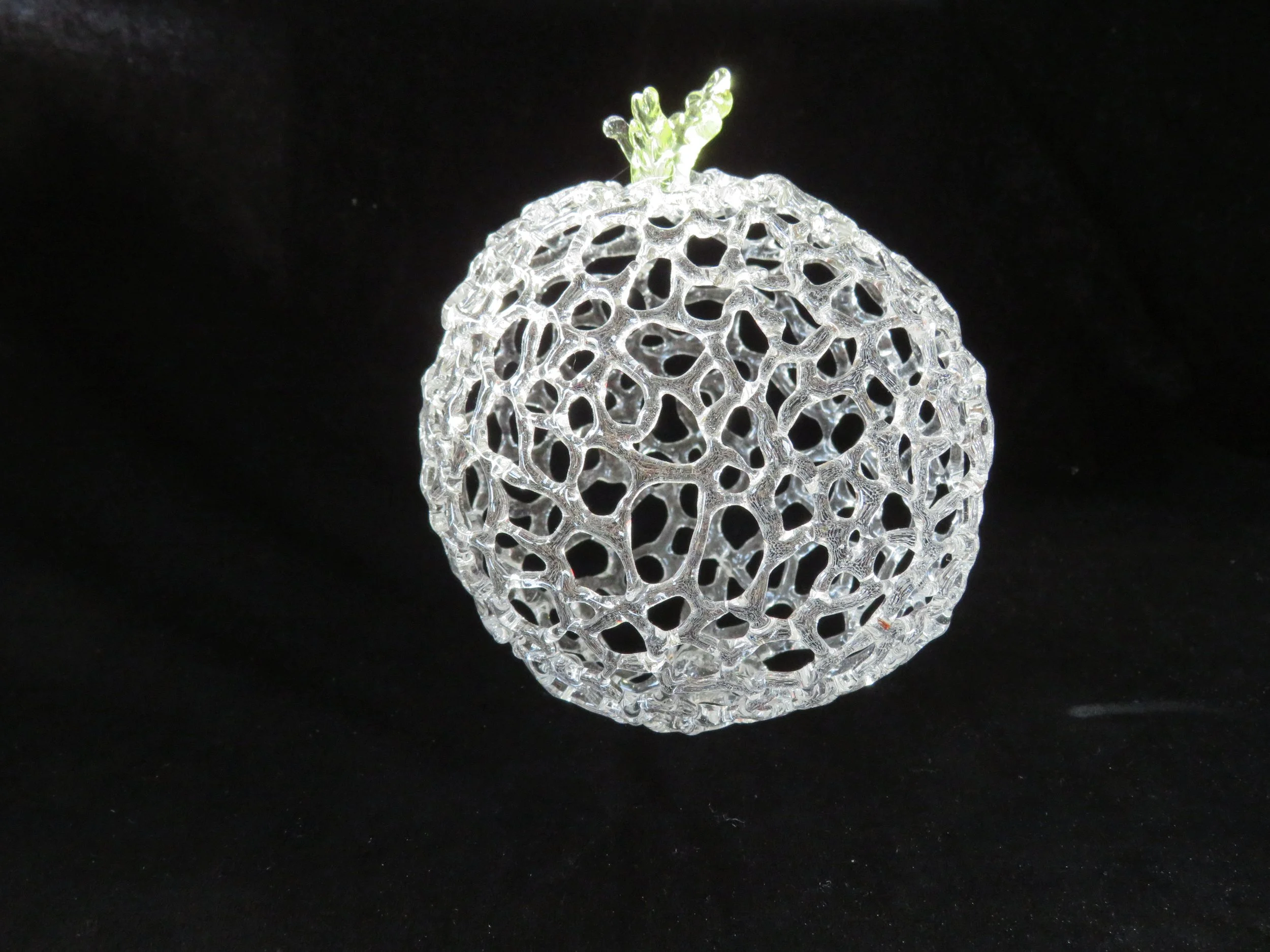
The apple is one of the most highly mythologised fruit in history. From Christianity’s Garden of Eden to Brothers Grimm’s fairytale of Snow White, from the fruit that infamously started the trojan war, to Merlins apples that gave him sight and the power of prophecy - this fruit has had both life giving and ominously dangerous connotations.
In Ireland I felt like literature was everywhere. Any time you went into a pub, you would see songs and poetry written on the walls and just listening to their lilting accent placed me in some kind of ancient Celtic setting. So my favourite apple myth is from Irish Druid folklore. A bough is cut from a magical Apple tree, where silver apple shaped bells play a mystical tune. This tune could lull people into a trance state. Druids could make contact with the Otherworld during a trance enhanced by this silver apple bough.
In The Voyage of Bran, an Otherworldly woman appears with an apple branch laden with bells, entrancing Bran with wondrous tales of the Otherworld. So enraptured is he by this damsel with the magical apple branch, that he sets sail immediately for the enchanted shores, having epic adventures on his journey.
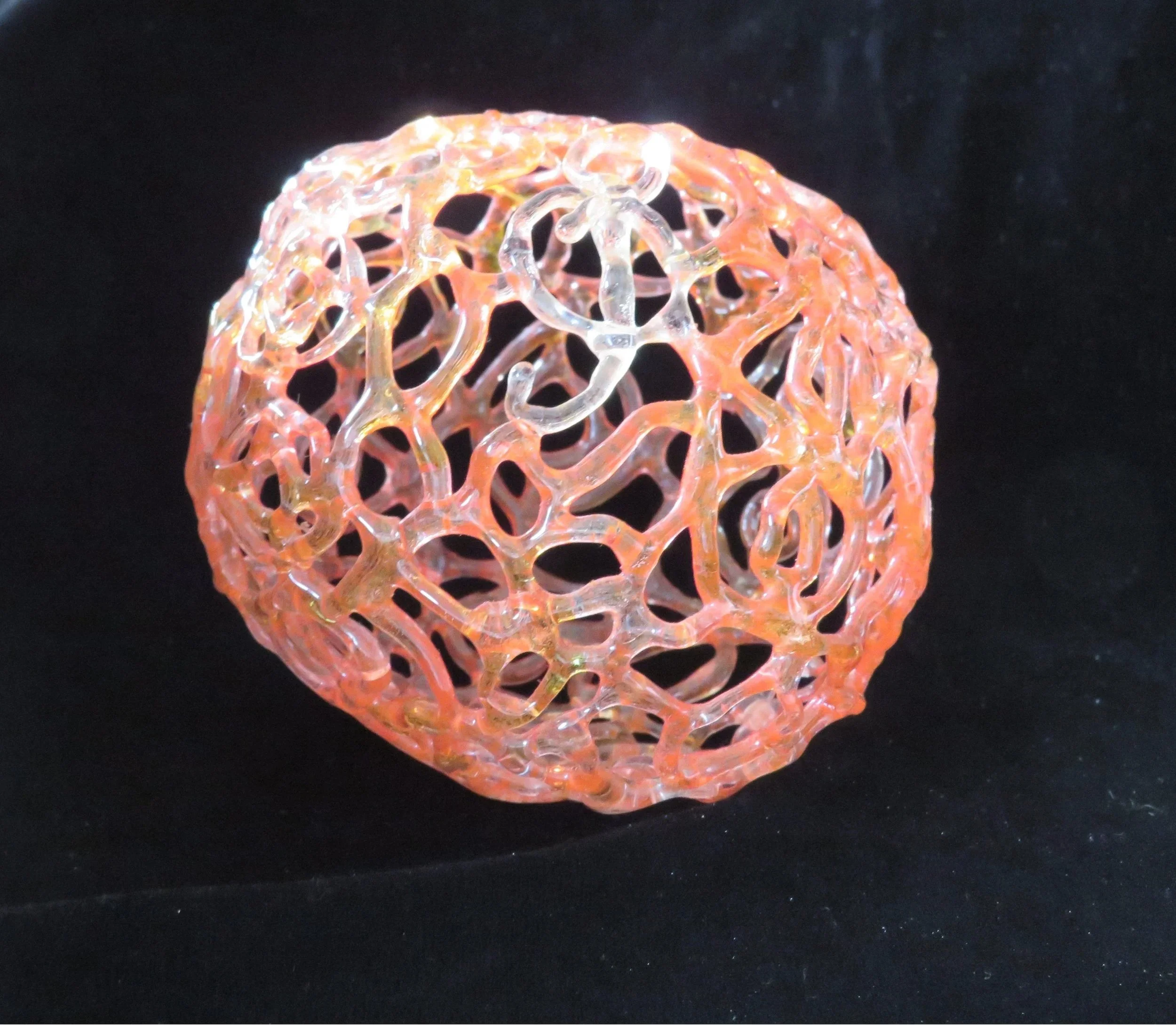
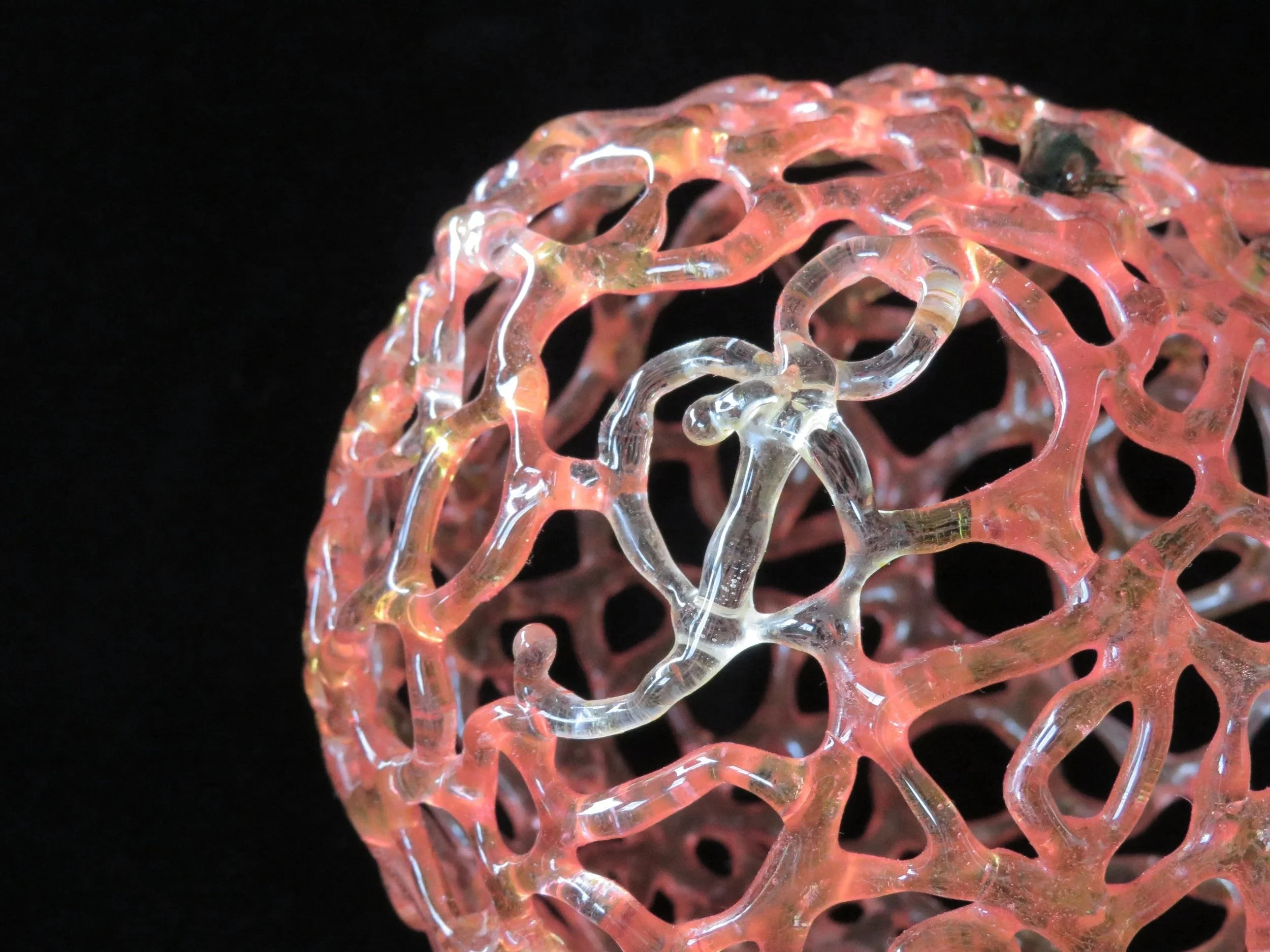
Oranges and Christmas Stockings
I’m from an era whose parents still put a single orange in your stocking at Christmas. When I was little, I don’t remember them ever telling me why they did that!, but the tradition of putting a gift in someone’s shoe at Christmas has its origins in the story of St Nicholas, who was from Antalya, Turkey.
St. Nicholas was famous for helping an impoverished family. There was a poor man who wasn’t able to find suitors for his three daughters because he didn’t have any money for their dowries. When St Nicholas heard of
this, he secretly tossed three sacks of gold coins down the poor man’s chimney one night and the gold happened to land in each of the girl’s stockings as they were drying by the fire. Thus the father had his dowries and was able to prevent the daughters from a life of prostitution.
The oranges we receive today are a symbol of the gold that was left in the stockings. In the
IMAGES COMING SOON
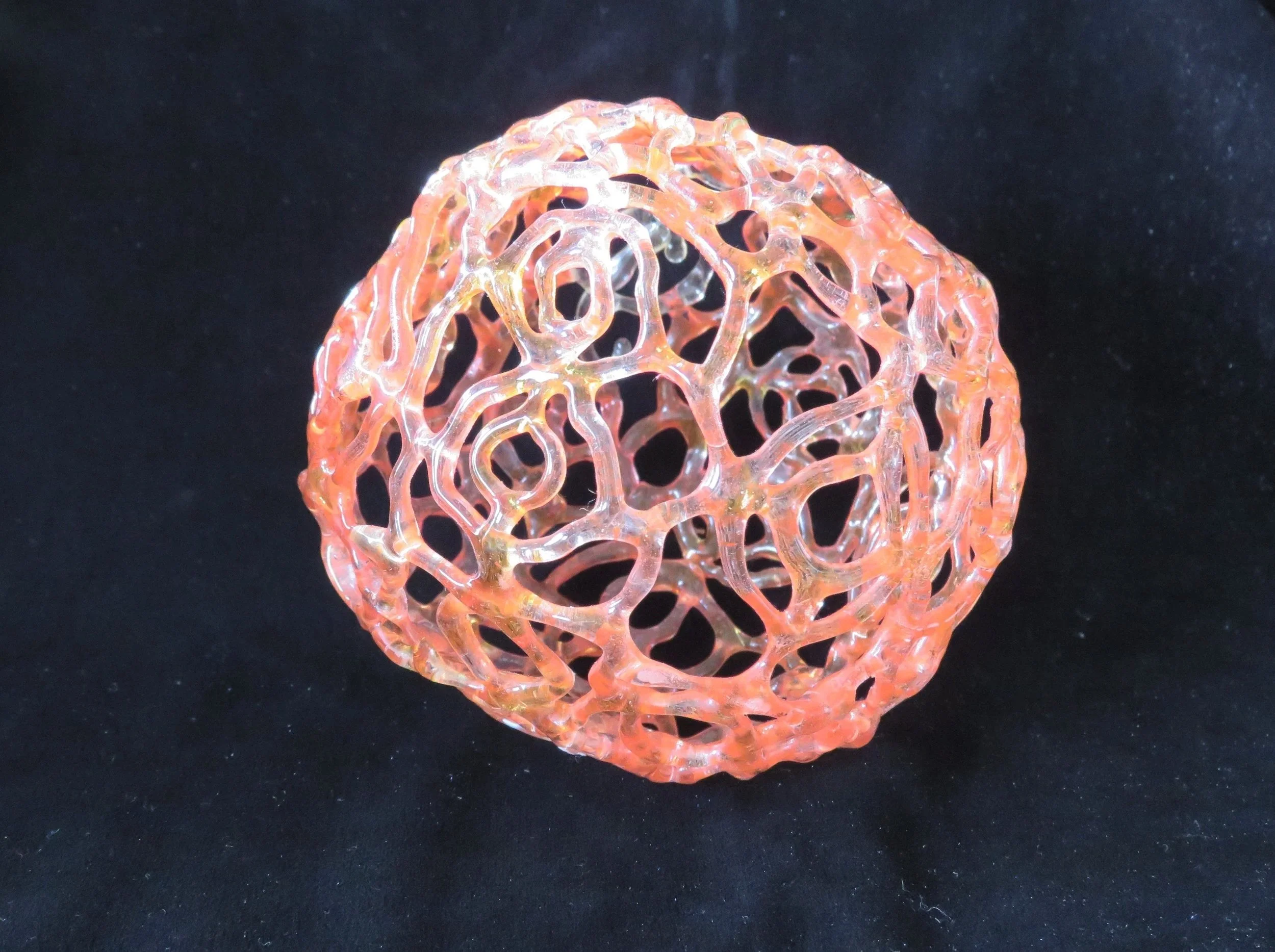
same vein, during the Great Depression of the 1930s, good food was very scarce and money was tight - many families couldn’t afford to buy gifts. Instead, it was a luxurious treat to find things like a sweet orange in your stocking at Christmas - representing a gift of gold.
More fruit are coming - please check back soon!