
Inanimate Architecture
“Where stones whisper tales to those patient enough to listen.”
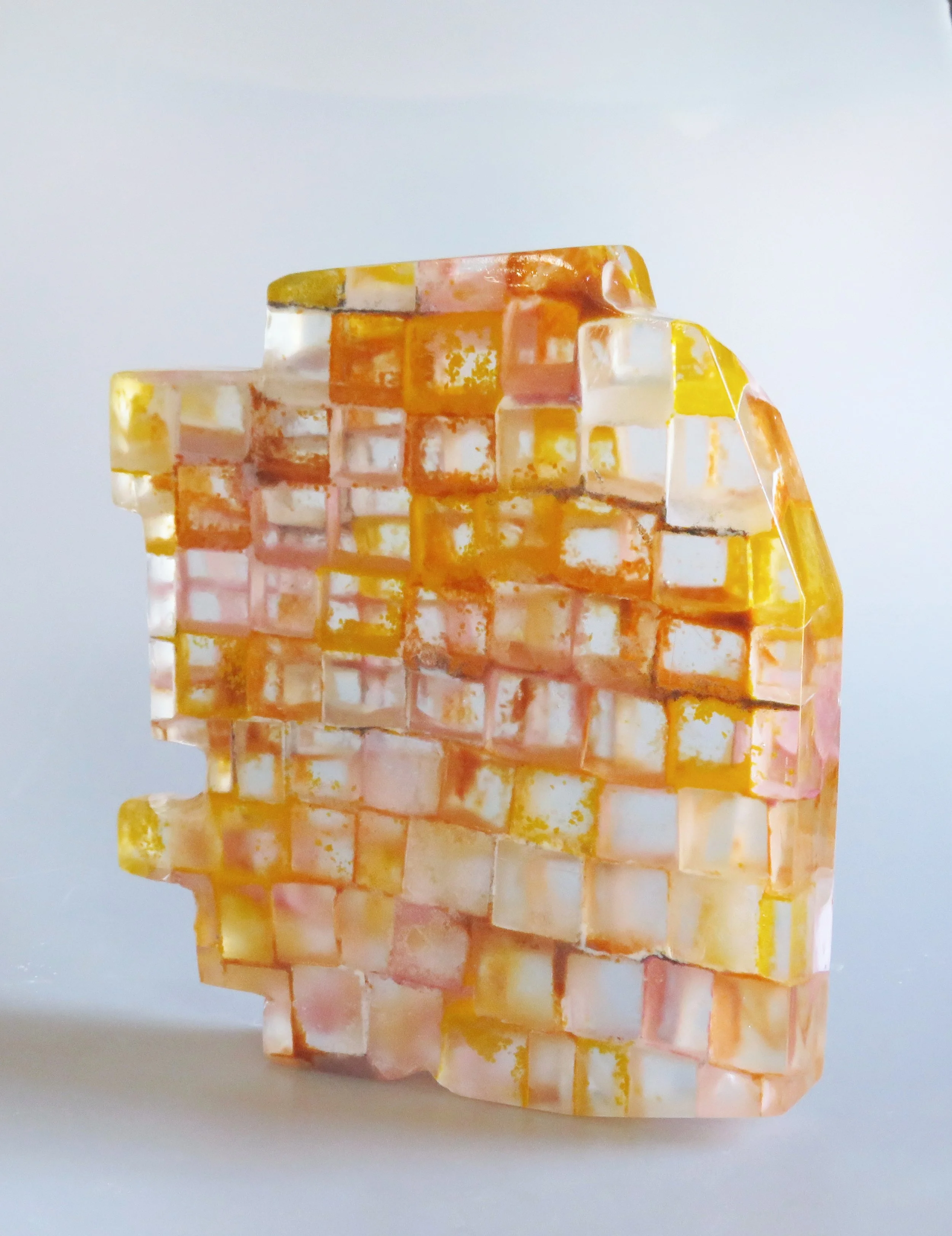
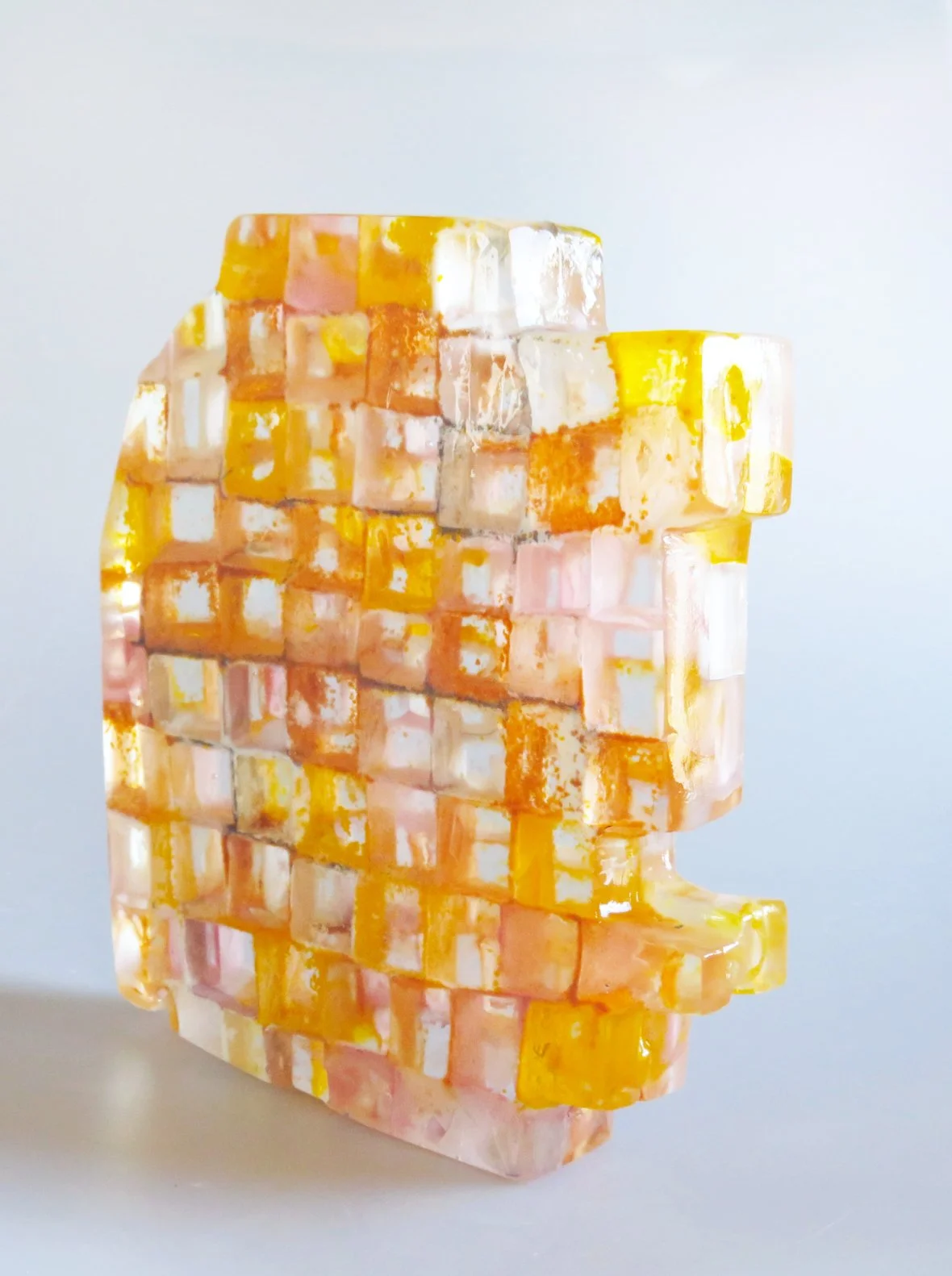
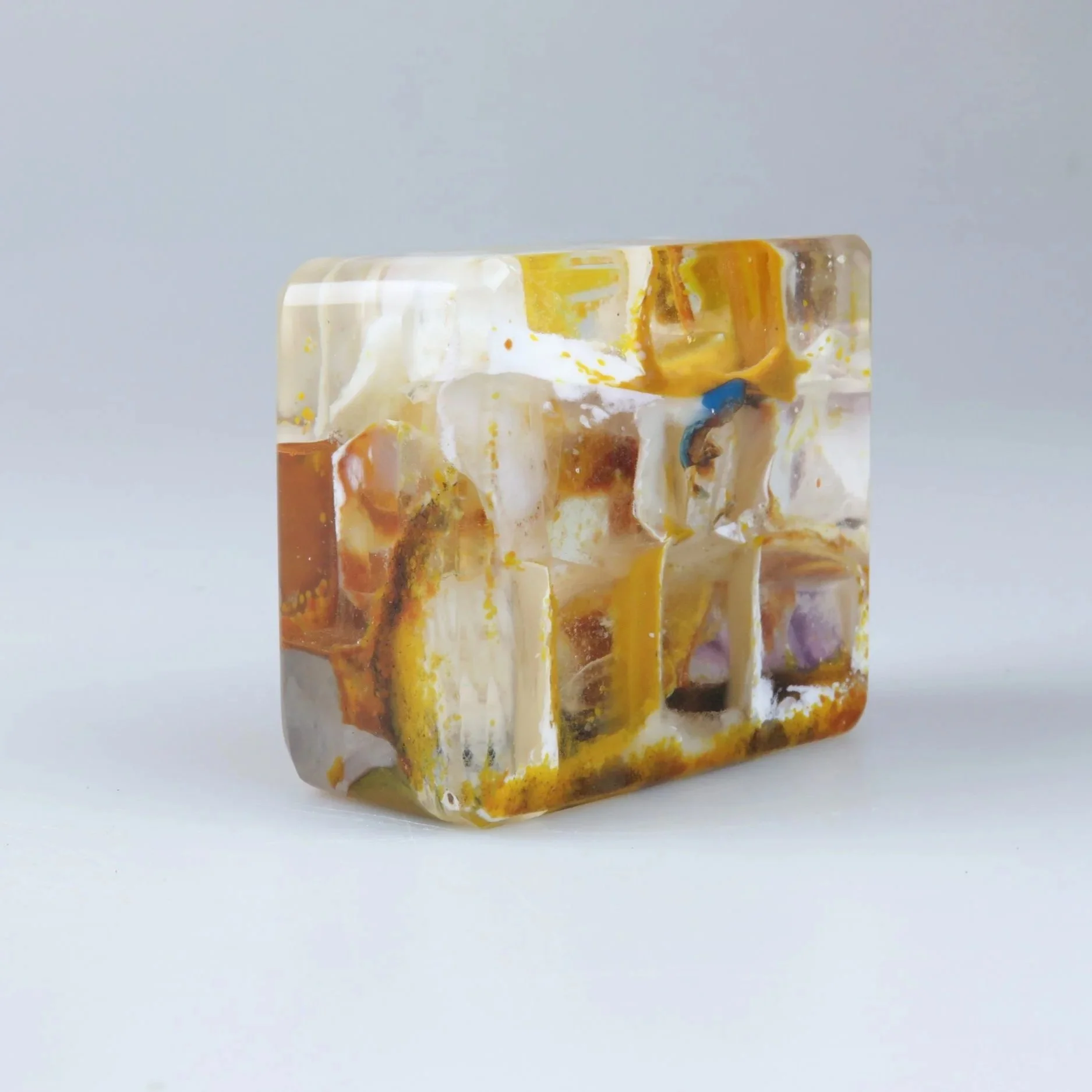
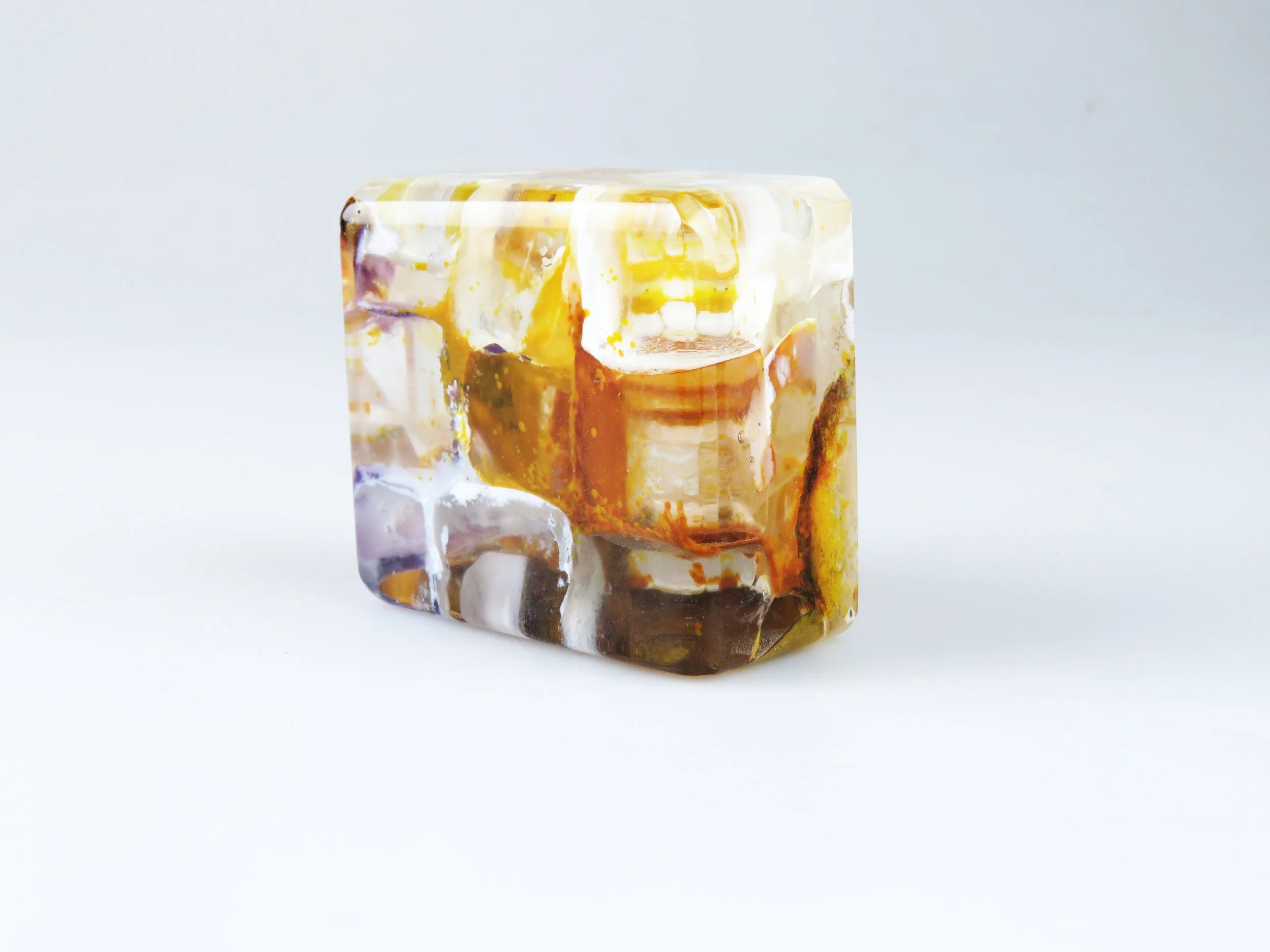
The Inanimate Architecture series explores structures from around the world that, although built from ordinary materials, possess a distinct spiritual essence and that may be imbued with myth and legend. They are places that I have personally been to, and which have touched my life in some way or other.
These artworks retail from $1,100 to $1,500 and are currently available from:
The Post House, Havelock, South Island
Art by the Sea, Takapuna, Auckland, North Island
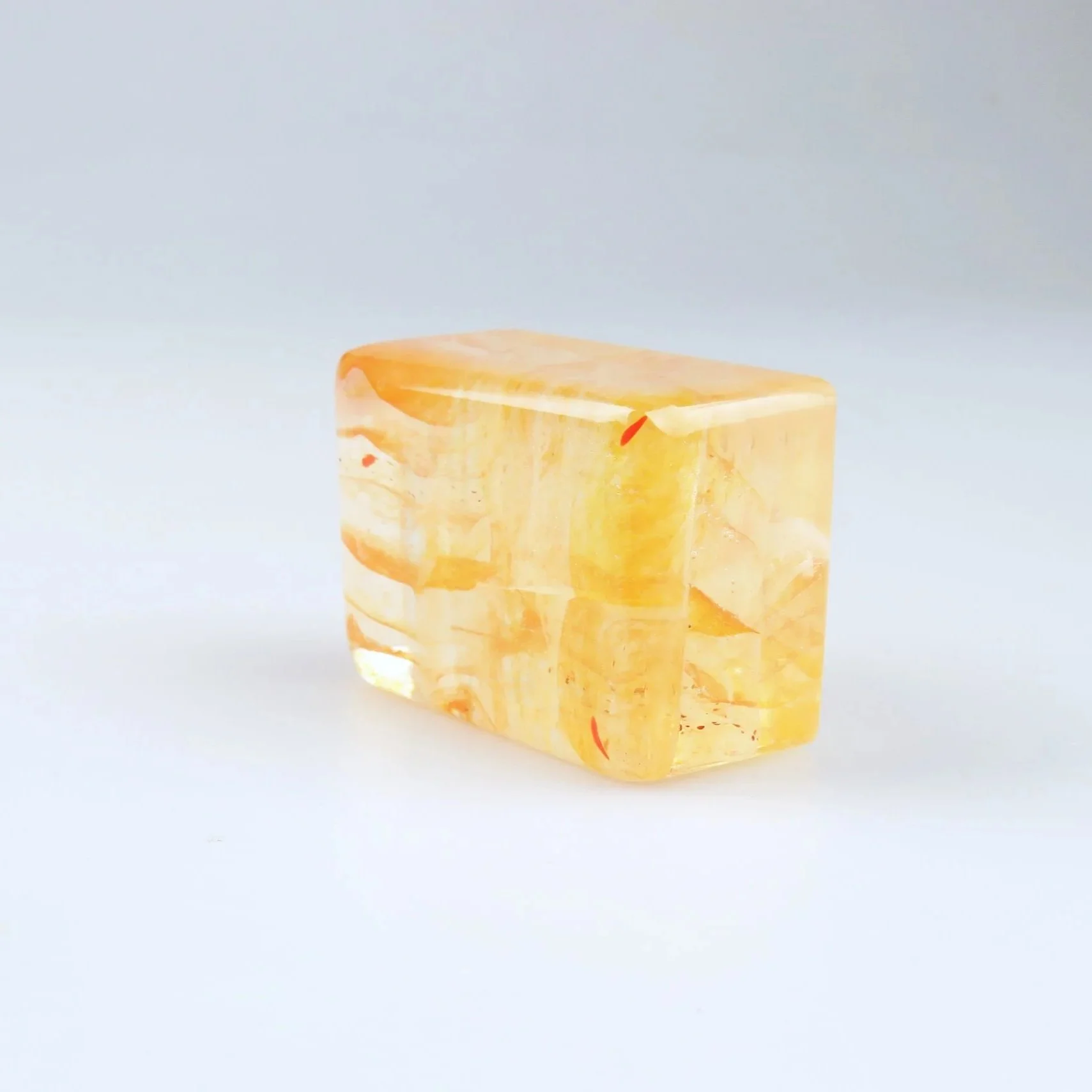
Mini bricks from this series are available from my online shop here.
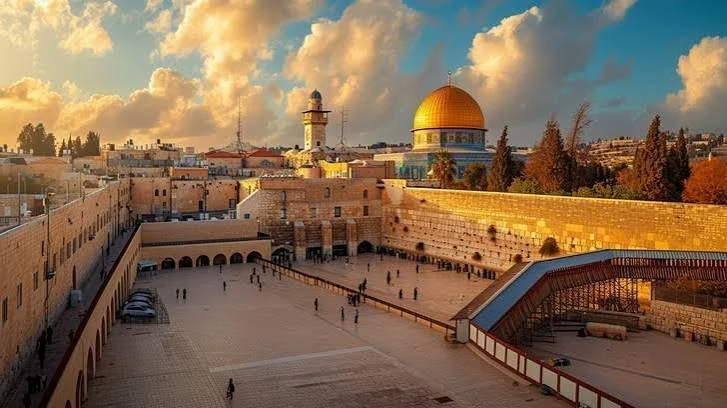
Sunset on The Wailing Wall, Jerusalem.
I spent a week in Jerusalem in the mid 1990’s - hanging out in a backpacker’s hostel and roaming through all the quarters of the city. One morning, directly opposite our hostel windows, a gunshot went off and all of a sudden there were masses of people swarming around a body on the ground. Then within five minutes everybody had disappeared and it was like it had never happened.
The night before we had been dancing on the tables in a bar with some fellow travellers and some locals - all of which wore rifles (they were currently doing their compulsory military service). All very surreal for a girl from New Zealand!
Later that day I went to see The “Wailing Wall” (a term which comes from the Arabs who saw the Jews there mourning the destruction of the Temple - hence the word ‘wailing’). The stark contrast between the morning’s violent events and the late afternoon in front of Judaism’s holiest site was weird - how can both of these co-exist within the space of a day?
I watched the locals come and push slips of paper with their wishes and/or prayers on them into the walls’ cracks. This has been a long tradition as the jewish belief is that ‘the divine Presence’ never departs from the wall and that all prayers ascend to heaven through it. Pushing in their slips of paper is a physical act of faith that will bring their requests closer to God.
When the sun goes down on the Wailing Wall, it really seems like something spiritual happens as the coloured tones of dusk create a feeling of divinity.
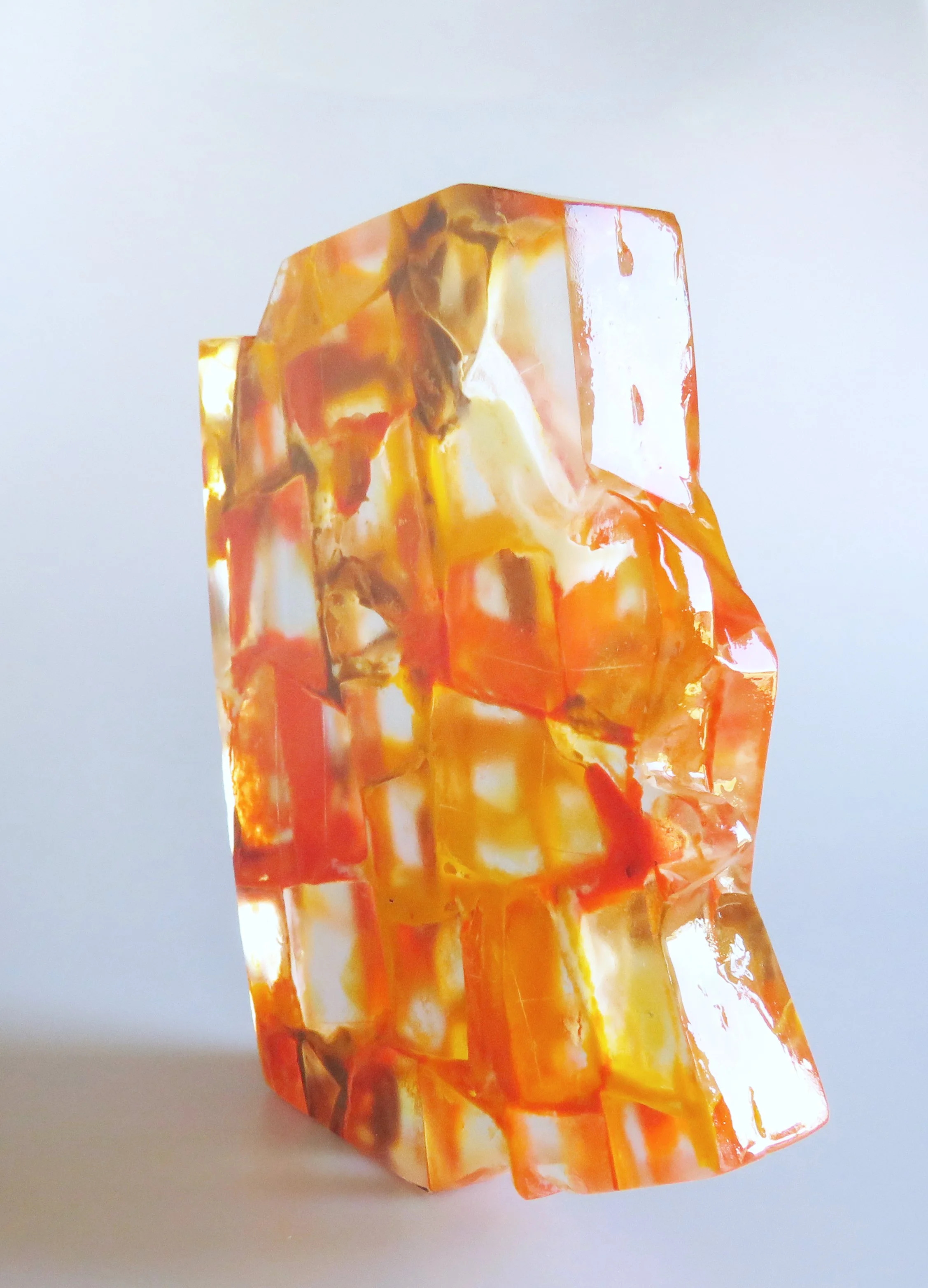
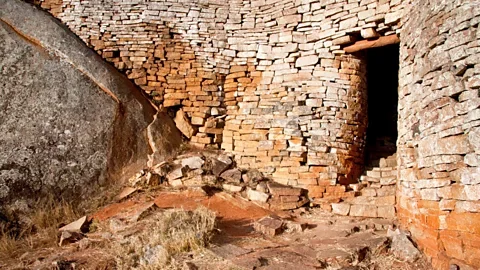
The Great Zimbabwe Ruins (Africa).
Africa. Just that word conjures up large animals, Baobab trees and toasted corn cobs from the side of the road. It is a place where if you lie down on the soil for long enough - you feel like you would simply melt right back into the origins of humanity.
And that place called The Great Zimbabwe ruins - a Shona/Bantu word that translates to 'House of Stone.’ The monumental stone walls were supposedly constructed to express the wealth and power of those living within them, and the allure of this ancient city is that much is still unknown as no primary written documents remain. The Great Zimbabwe Ruins are remnants of a thriving trading empire that existed between the 11th and 15th centuries.
When you walk around these ruins you can’t help wonder what really happened here. What stories are embedded in the sculpted stairways and columns decorated with soapstone birds? Maybe we will never know as these stone structures are still shrouded in mystery.
Great Zimbabwe Wall
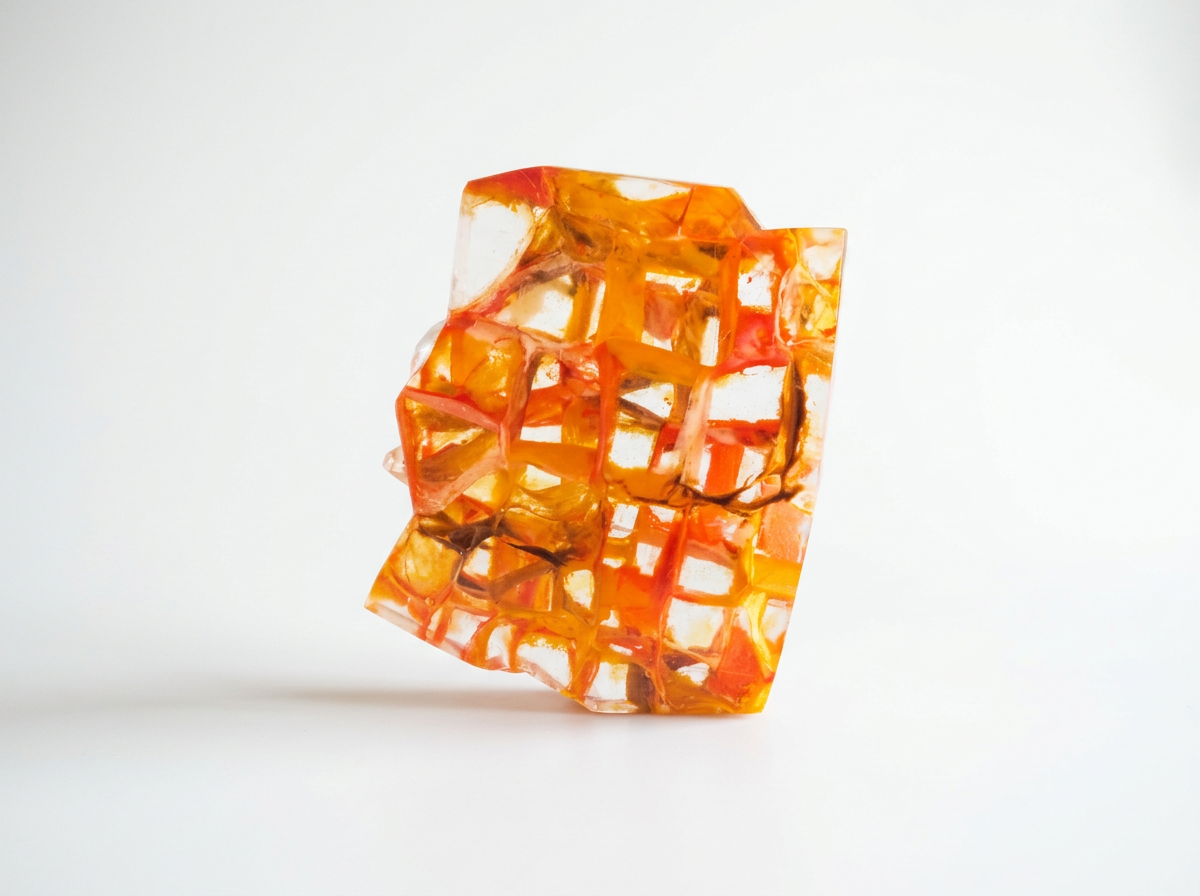

Zimbabwe mini brick
Church of the Good Shepherd (New Zealand)
Unlike its old mother country of England, New Zealand is not as densely populated with churches. Its spirituality seems more embedded in the land and those who have visited always talk profusely about how amazingly beautiful New Zealand is.
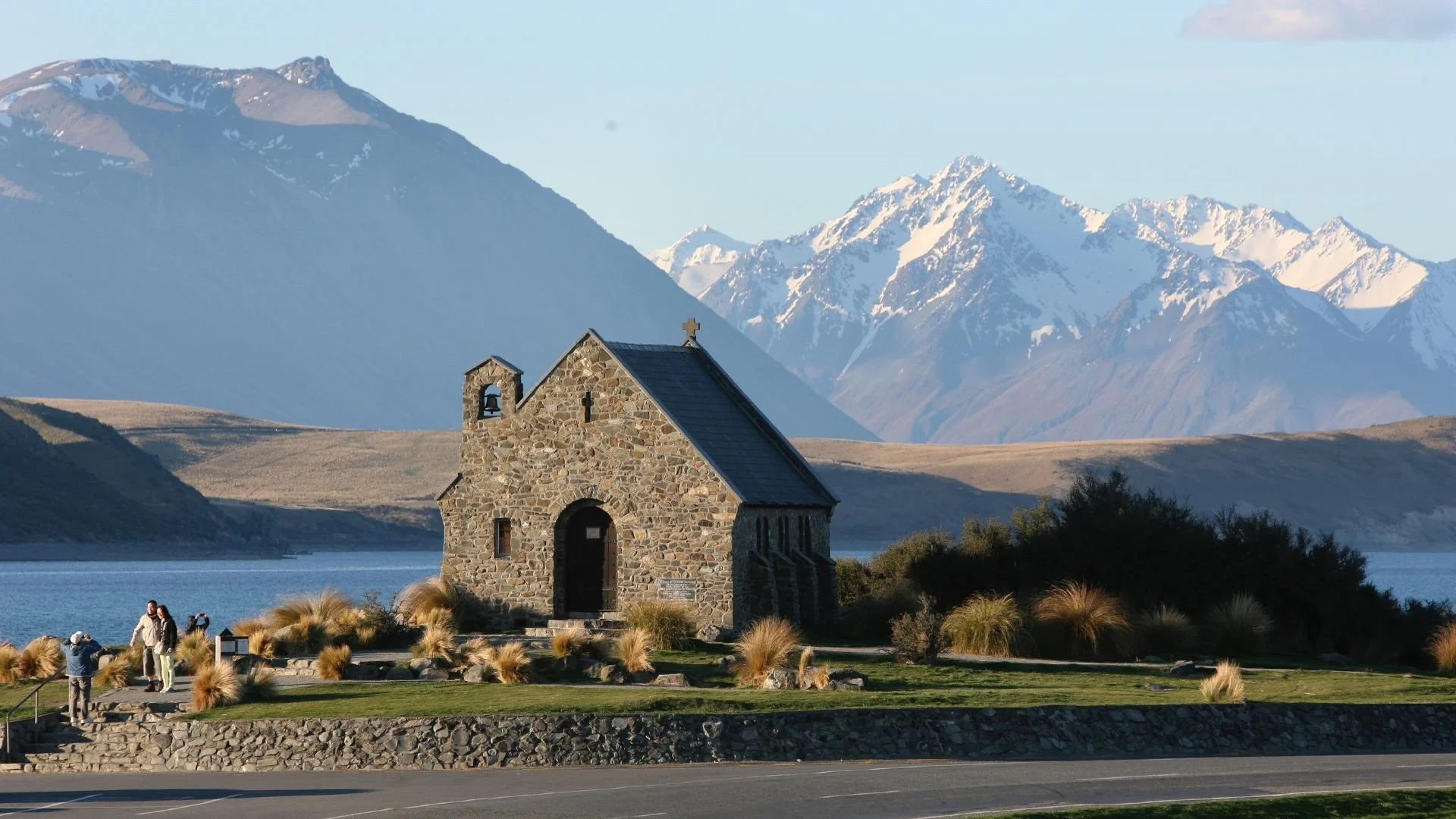
On the shores of Lake Tekapo in the South Island, there is a spot that combines structural stone and nature’s spirituality into one - The Church of the Good Shepherd.
Built in 1935 it was instructed that the stones for the wall were to be procured from within a radius of five miles - unchipped and in their natural condition. Inside the church, a representation of the Good Shepherd is carved on the altar, and alpine flora and fauna are carved on the Oamaru stone front.
But it is the setting that truely creates the magic of this church. The adjoining land was gifted so that the church remains in splendid isolation and its position in the midst of an almost sacred natural beauty has enraptured visitors ever since it was built. It’s striking design and breathtaking backdrop have made it a legendary place for both New Zealanders and visitors alike.
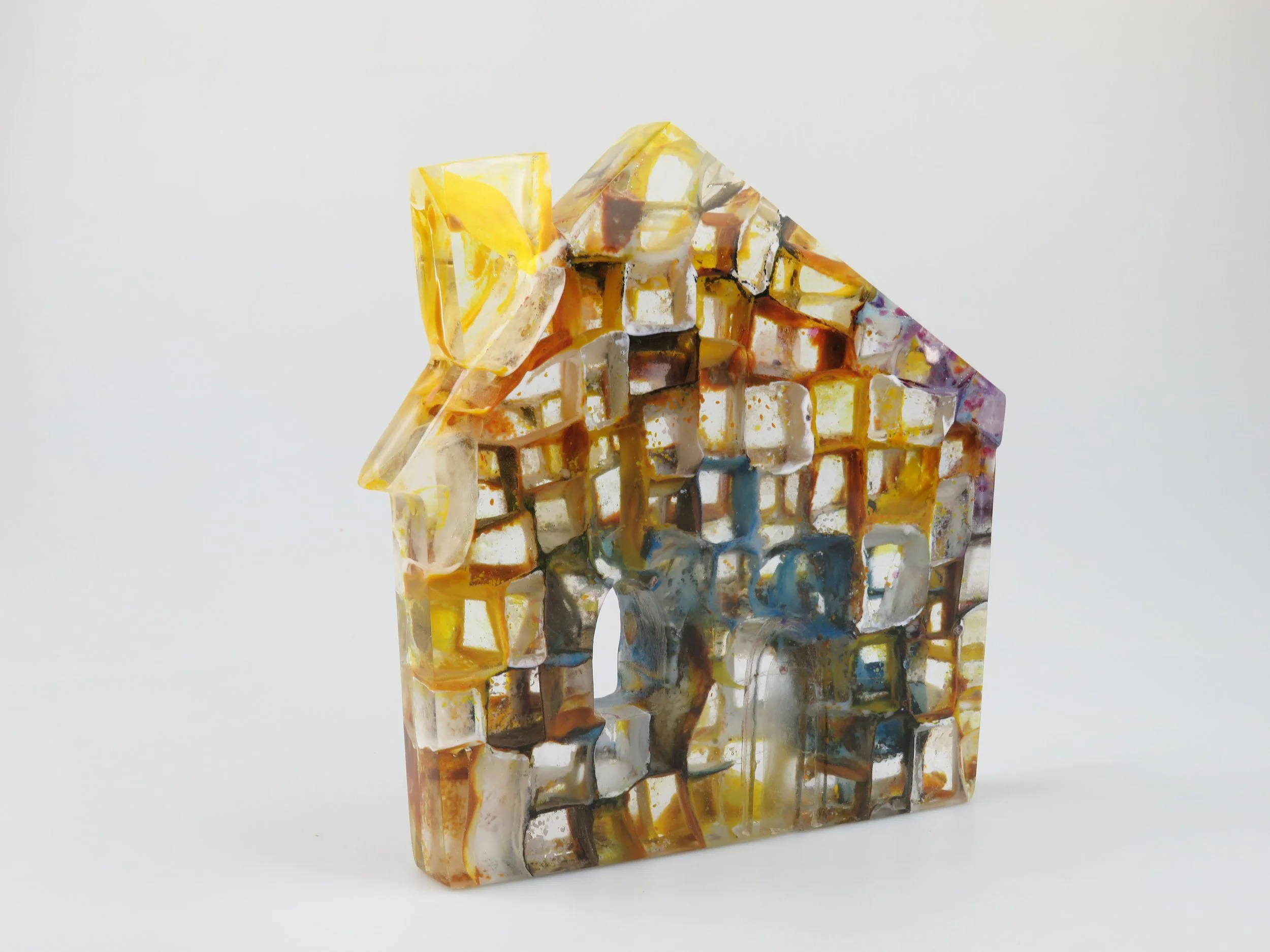
Church of the Good Shepherd

Blarney Castle (Ireland)
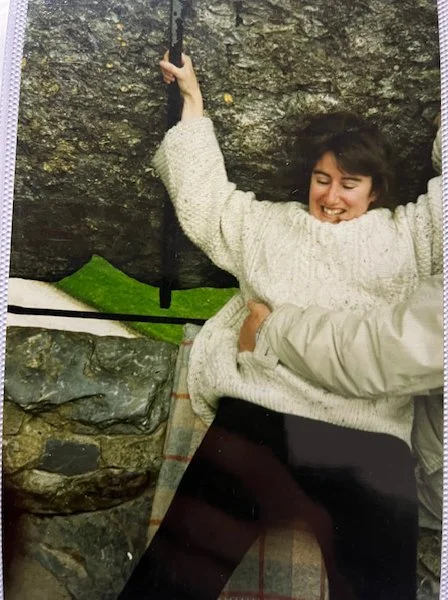
I travelled around Ireland in a car with four other backpackers. The colours in the Irish landscape reminded me a lot of home but the lilting Irish accents and the songs and poetry written on the walls in all the pubs placed you firmly in the Emerald Island.
As I’m sure most of you know, Ireland has a lot of legends and one of the most well-known places that depicts one of them is Blarney Castle, on the southern tip of Ireland’s County Cork. Set into the tower of Blarney Castle is the famous Stone of Eloquence -better known as Cloch na Blarnan or the Blarney Stone.
The 16th century legend involves the goddess Clíodhna and Cormac Laidir MacCarthy. Cormac was troubled with a lawsuit and feared the ruling would be against him. He prayed to the goddess Clíodhna and she told him to kiss the first stone he finds on the way to court. In the morning, MacCarthy kissed the first stone he found and immediately was given the ability to speak with eloquence. MacCarthy won his case and afterward brought the stone to be incorporated into the parapet of the Castle. (Back in the day when I was there, not one of us even thought about the hygiene issues of doing this. The beauty of youth! )
It’s believed anyone who kisses the stone will be endowed with the gift of the gab - or ‘blarney’ - and this is where the English language saying "What a load of blarney?" comes from!


Ahlambra (Grenadea, Spain) - the Legend of Abencerrajes
I loved Spain. It was saturated with beauty and every where you looked good design was evident - from the clothes to the shoes to the architecture!
More coming soon…
MORE IMAGES COMING SOON!
Ahlambra